Tasting Salt and Sunshine: The Artisanal Coast of Amalfi
Climbing three thousand stone steps to meet the multi-generational vintners defying gravity above the Mediterranean Sea.
Contents
To truly taste the Amalfi coast, one must look away from the glittering yachts moored in Positano harbour and face the sheer limestone escarpments towering overhead. Here, for over seven centuries, agricultural tenacity has carved narrow dirt terraces out of sheer rock, sustained by salt-laden sea winds.
1. The Vertiginous Harvest
In Tramonti, old bush-trained vines of Tintore and Piedirosso cling to vertical pergolas. Many of these ungrafted trunks are more than two hundred years old, their roots plunging meters deep into volcanic mineral tuff. Hand-carrying wooden baskets down uneven stone staircases remains the only method of harvest.
2. The Gold of Sfusato
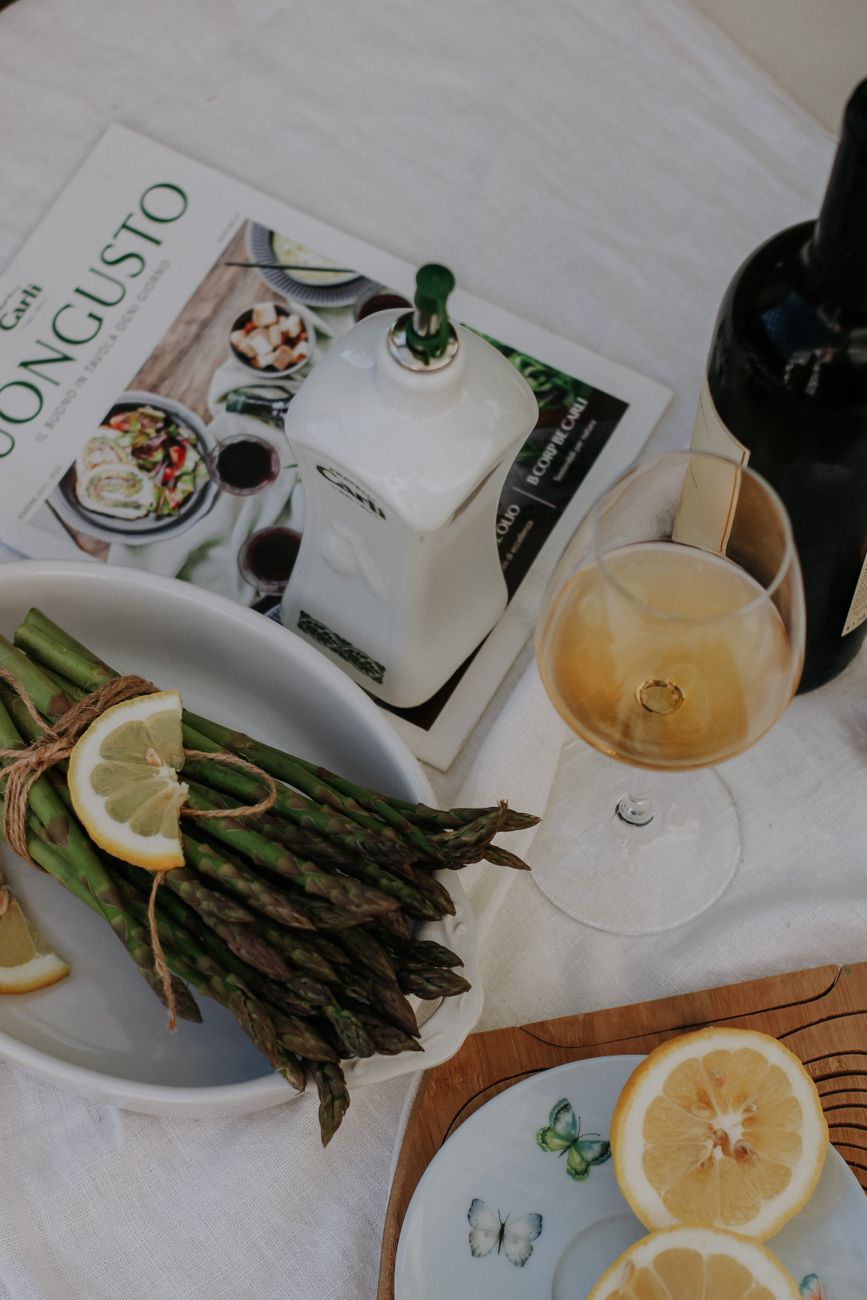
The Amalfi sfusato lemon is not mere fruit; it is a fragrant culinary monument. Low in acidity, thick-rinded, and drenched in essential oils, local growers slice it raw with sea salt, fresh mint, and cold-pressed olive oil as a mid-morning sustenance while tending the orchards.
"You do not squeeze an Amalfi lemon. You peel it like a peach, savoring both peel and pulp with equal celebration."
3. Ancient Roman Umami
In the tiny fishing hamlet of Cetara, ancient wooden barrels of chestnut and oak yield colatura di alici—an amber-colored extract derived from fermented salted anchovies that directly descends from Roman garum. Tossed with garlic, parsley, and spaghetti, it represents the distillation of Mediterranean maritime life.
4. Slow Coastal Logistics
Avoid summer road transit. Travel exclusively via regional ferry connections or walk the high mountain mule trails such as the Sentiero dei Limoni between Maiori and Minori during late autumn when the fragrant blossoms perfume the maritime air.
Receive Our Artisanal Directory
Access 14 private oil and wine makers welcoming travellers by appointment only.